

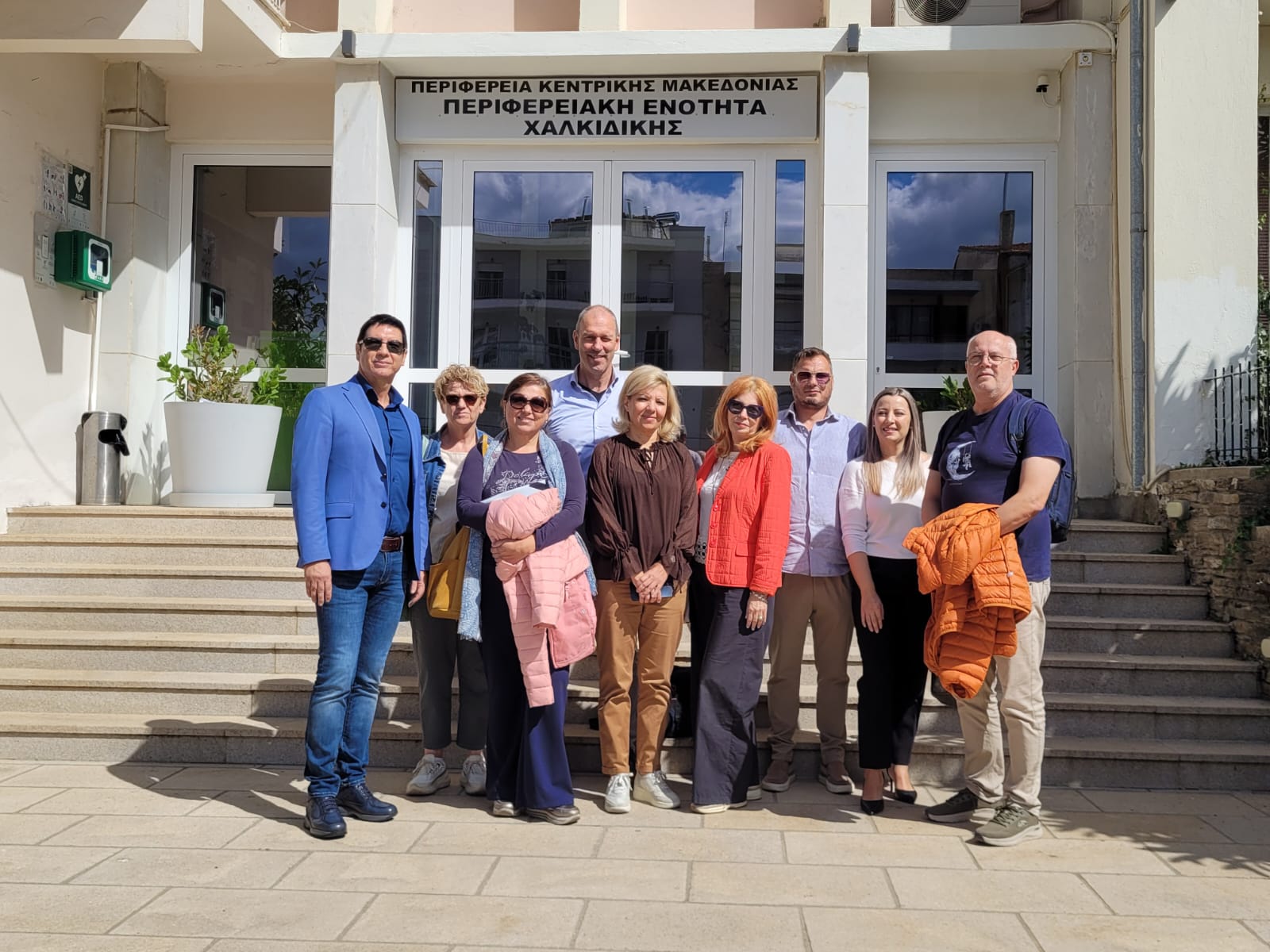
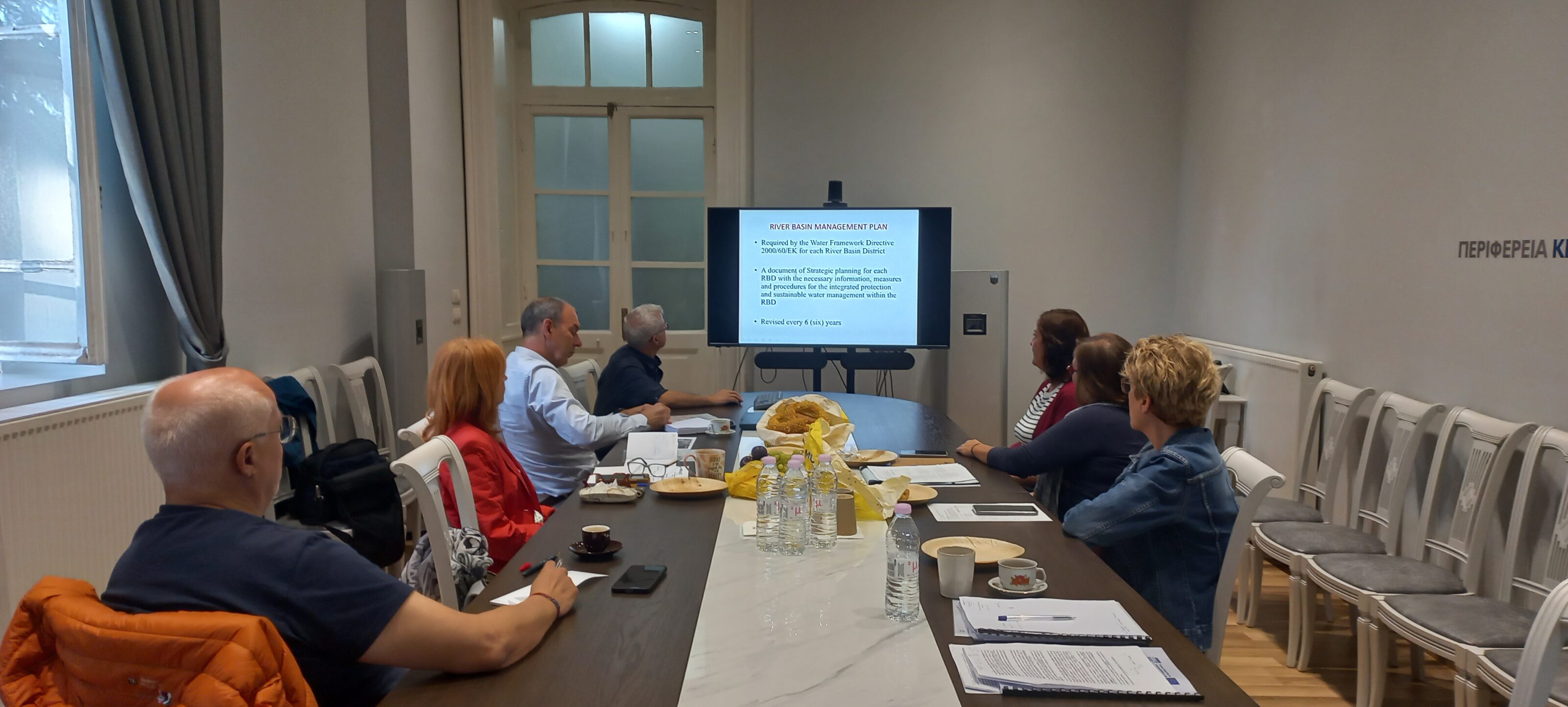
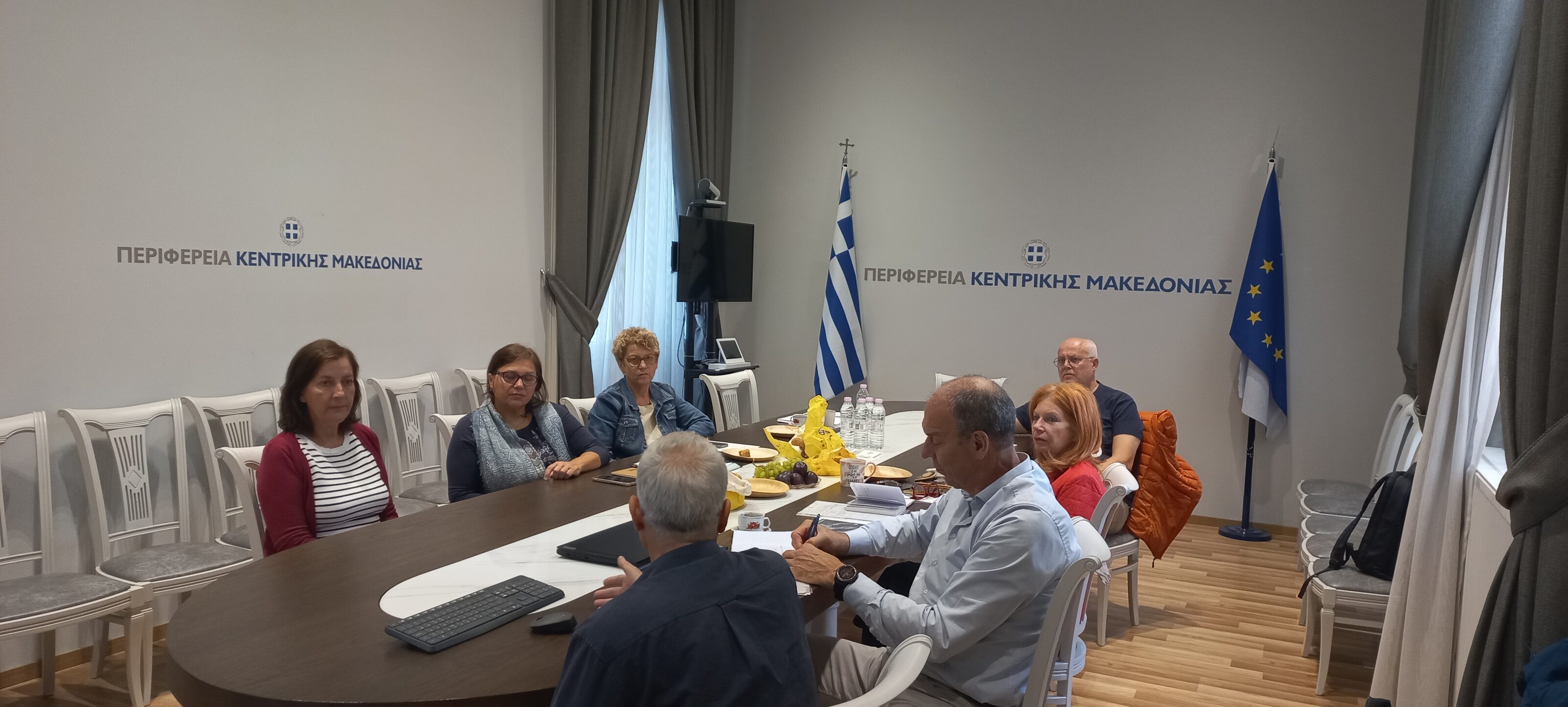
Thessaloniki and Chalkidiki, Greece | 28 September 2026
How can Earth Observation-based solutions help public authorities and local communities better anticipate and manage water-related climate risks? This was the central question explored during a working visit to Central Macedonia, Greece, on 28 September 2026, as part of PCP WISE.
Hans van Leeuwen, representing the Dutch water research and management organisation STOWA and PCP WISE scientific leader, met with regional and local authorities and representatives of the agricultural, civil protection and tourism sectors. The visit aimed to strengthen the understanding of local needs, refine the project’s use cases and identify the information required to develop practical solutions for water management and climate resilience.
PCP WISE uses Earth Observation (EO) data and the Pre-Commercial Procurement (PCP) approach to develop and test innovative services that support decision-making in water management and help anticipate extreme climate events.
Understanding local challenges and user needs
The programme brought together stakeholders from different levels of public administration and economic sectors to discuss priority challenges, available data and the potential applications of PCP WISE solutions. By engaging those directly affected by water-related risks, the project aims to ensure that its services respond to real operational needs and can be tested and validated in relevant conditions.
Thessaloniki: Strengthening the evidence base for water management
The visit began with a meeting with representatives of the Water Directorate of Central Macedonia, including Konstantinos Papatolios, Head of the Water Resources Monitoring and Protection Department.
Discussions focused on the selection of the project’s areas of interest, the identification of priority water-management challenges and the relevance of river basin management and flood risk management plans. The meeting also highlighted the importance of coordination between the authorities responsible for water resources and other relevant stakeholders.
This exchange helped establish a clearer picture of the regional context and the information needed to support the development of decision-support services.
Nea Moudania: Addressing water scarcity in agricultural and tourist areas
In Nea Moudania, Hans van Leeuwen met with Emmanouil Karras, Mayor of Nea Propontida, and Deputy Mayor Miltiadis Charenis.
The discussion focused on water scarcity affecting farmers and local residents, a challenge that becomes particularly acute during the tourist season. Participants explored the needs of local water-management authorities and the agricultural community, as well as the links between water availability, seasonal demand and the wider local economy.
The meeting also examined which data could help improve forecasting and decision-making, where these data could be obtained and how local authorities could contribute to the project’s activities.
Polygyros: Connecting flood preparedness, agriculture and tourism
The final stakeholder meeting took place in Polygyros, bringing together representatives of civil protection, agriculture, regional administration and tourism.
Dimitris Lokovitis, representing the Civil Protection Department of the Regional Unit of Chalkidiki, presented the area’s vulnerability to natural hazards, with particular attention to Toroni. Analysis of the area’s climatic, geological, hydrogeological and geomorphological characteristics, together with records of extreme events and damage between 2017 and 2024, highlighted the recurring nature of flood events and the need to strengthen early-warning capabilities and coordination among the authorities involved in civil protection.
Dimitra Mela, representing the Department of Crop and Livestock Production, highlighted drought-related challenges affecting farmers across Chalkidiki. Aristotelis Psilogiannis, a tourism-sector entrepreneur and President of the Sithonia Port Fund, outlined the economic consequences of flooding, including damage to buildings and local businesses.
These exchanges demonstrated how water scarcity, drought and flooding can affect multiple sectors simultaneously. They also underlined the importance of considering the needs of different user communities when developing tools to support preparedness, planning and response.
From local challenges to practical solutions
The working visit supported the continued refinement of the PCP WISE use cases by helping to identify priority problems, relevant end-user communities and the data needed for solution development, testing and validation.
It also provided an opportunity to discuss the longer-term prospects of PCP WISE solutions, including potential ownership arrangements, partnerships and financing models that could support their future implementation beyond the project.
By connecting public authorities and end-users with the development of innovative Earth Observation-based services, PCP WISE aims to help bridge the gap between technological capabilities and the operational needs of regions facing increasing water-related climate risks.
The visit in Central Macedonia and Chalkidiki illustrates the importance of collaboration across public administration, agriculture, civil protection and tourism in building more effective and context-specific approaches to climate resilience.


